


Nitrat kommt natürlich in Böden, Pflanzen und Wasser vor. Erhöhte Konzentrationen können jedoch insbesondere im Grundwasser auftreten. Erfahren Sie, wie der Nitratgrenzwert in Deutschland geregelt ...
Your Cart
(0 products)
Your cart is empty
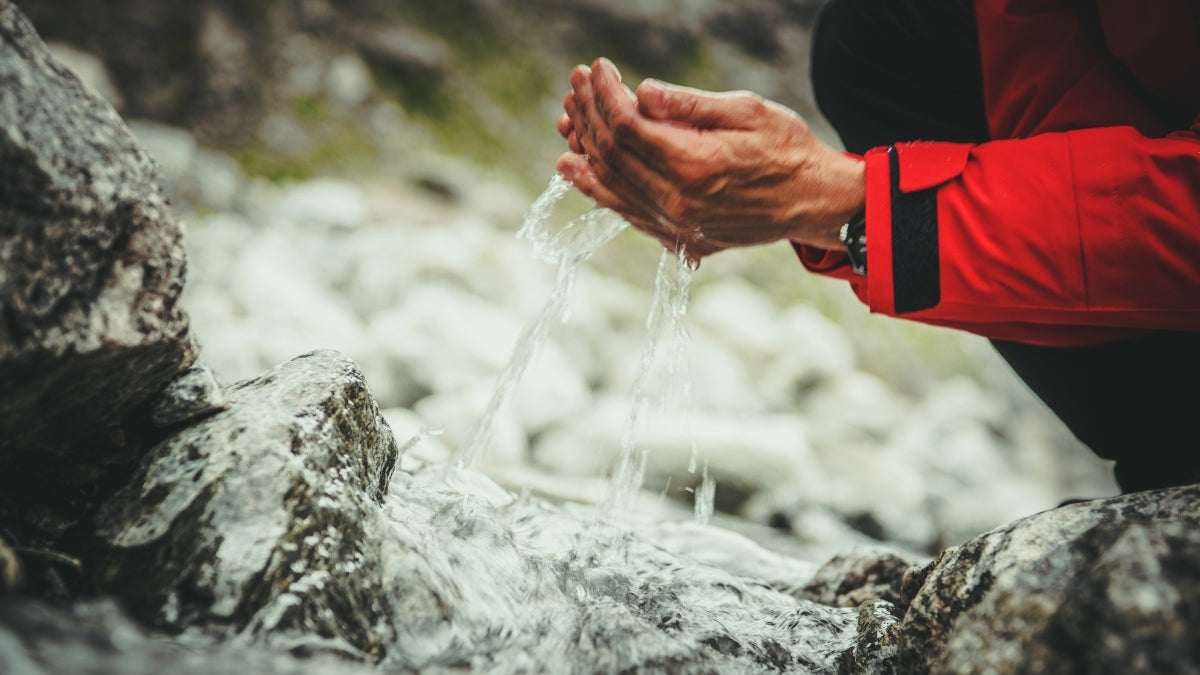
Drinking water is an essential resource, but it can quickly become threatened during a crisis. In the wild, access to it may also be compromised. You should therefore know different ways to find, purify and store water. This knowledge can be vital for survival.
Rainwater is an abundant resource, yet it is often overlooked. In a survival situation, collecting it can be extremely valuable. For the best storage results, use a clean tarpaulin or open containers. However, rainwater should not automatically be considered ready to drink. Atmospheric particles may contaminate it, so pre-filtering through cloth is advisable.
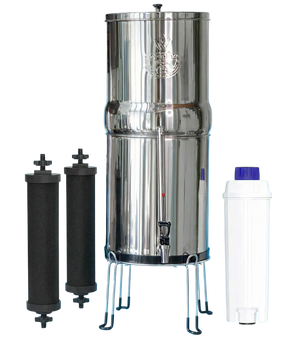
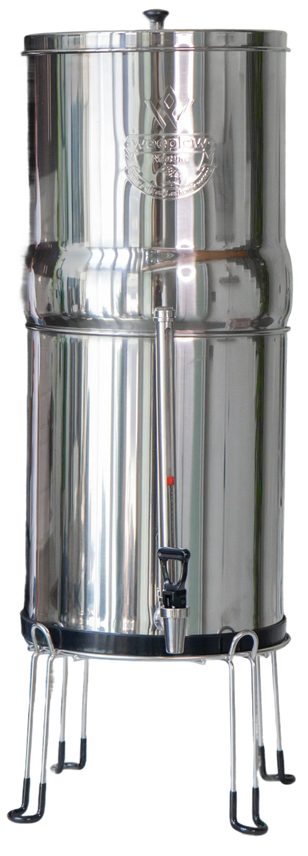
Then bring the water to the boil for at least one minute to help eliminate bacteria and viruses. To be more certain that rainwater is suitable for consumption, we recommend using a gravity-fed water filter such as the Weeplow model. It is easy to carry, requires no electricity and removes up to 99.99% of contaminants.
In industrial areas, extra caution is needed, as rainwater may be heavily contaminated. In those conditions, boiling alone is unlikely to be enough.
You should observe your surroundings carefully when looking for drinking water in nature. Prioritise moving water sources such as streams, waterfalls or fast-flowing brooks. Avoid stagnant water from ponds or puddles wherever possible, as it can harbour bacteria and parasites harmful to health.
If you have no map or tools, look for dense vegetation: greener areas often indicate nearby water. Following animal tracks can also help, although this requires some experience. Whatever source you find, purify the water before drinking, ideally with a gravity-fed filter.
This is an ingenious way to obtain drinking water without complex equipment.
The sun causes moisture from the vegetation to evaporate, then condense underneath the sheet and drip into the container. This process is slow, but dependable. It is particularly suited to hot, dry regions. It is also useful because it does not require specialist tools or advanced knowledge.
If you cannot filter or boil water, chemical purification may be a useful alternative. A few drops of unscented bleach (5 to 6% active chlorine) can treat clear water in around 30 minutes. Correct dosage is essential: 8 drops for four litres is generally sufficient.
Other chemical treatments include chlorine dioxide tablets, which can be effective against micro-organisms. However, no chemical treatment can remove chemical pollutants or suspended particles. A proper filtration system such as the Weeplow unit is therefore highly useful if you need cleaner water for drinking.

Whether during war or a crisis linked to a shortage of drinking water, an activated carbon filter can be one of the most practical solutions. It improves taste, removes organic residues and eliminates close to 99.99% of contaminants.
This activated carbon filter from Weeplow can be a more reliable option than improvised filtration using chemicals, sand or cloth, thanks to its cartridges and designed system.
Keeping a water reserve at home can be essential when preparing for potential crises. Each adult should allow at least two litres of drinking water per day, or around 60 litres per month purely for hydration. For full 30-day independence, needs may rise to 120 litres per person when hygiene and cooking are included.
Proper storage matters because contaminated or poorly stored water contributes to diarrhoeal illness worldwide each year. In modern life, it may seem obvious that water is always available, but that is not guaranteed.

A simple outage or natural disaster can quickly challenge everyday assumptions. Building a reserve and pairing it with a suitable purification solution can improve resilience.
For a family of four, around 480 litres provides a useful emergency reserve.
Remember that running water is a fragile resource. Prepare reserves now, especially in less well-served regions. By learning these methods, you become far more self-reliant. However, always take precautions, as contaminated water can seriously affect health.
Nitrat kommt natürlich in Böden, Pflanzen und Wasser vor. Erhöhte Konzentrationen können jedoch insbesondere im Grundwasser auftreten. Erfahren Sie, wie der Nitratgrenzwert in Deutschland geregelt ...
Nitrate can occur naturally in water, but higher concentrations can come from sources such as agriculture and wastewater. Learn how drinking-water limits work, where nitrate comes from, how to test...
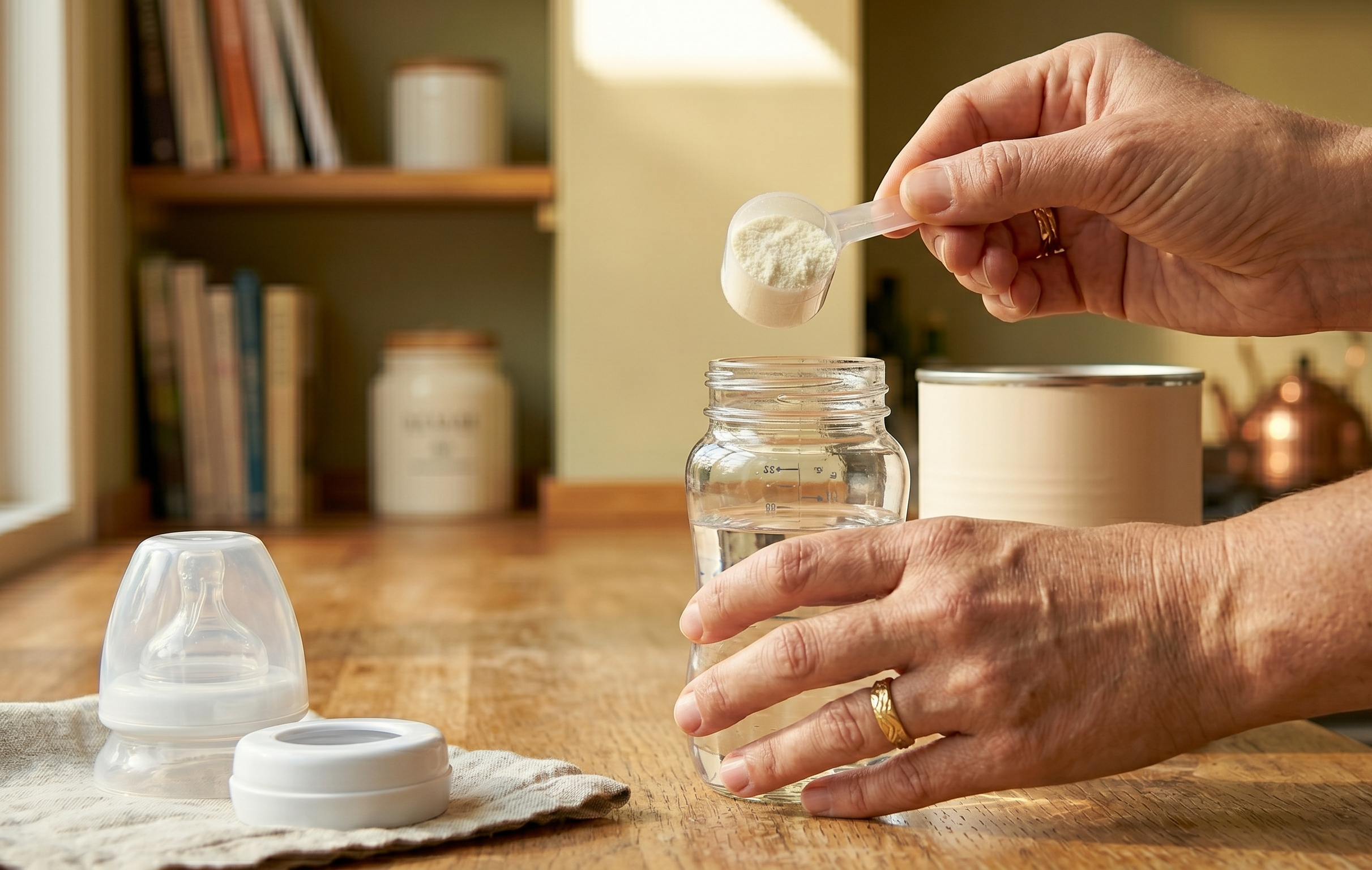
Nitrates et méthémoglobinémie : quels risques pour l’eau du robinet ? Comprenez le lien entre ces deux éléments et ce que cela signifie pour votre eau au quotidien.
Researchers are increasingly studying the possible effects of chronic exposure to nitrates in drinking water. Here is what current research actually says about the potential risks associated with l...
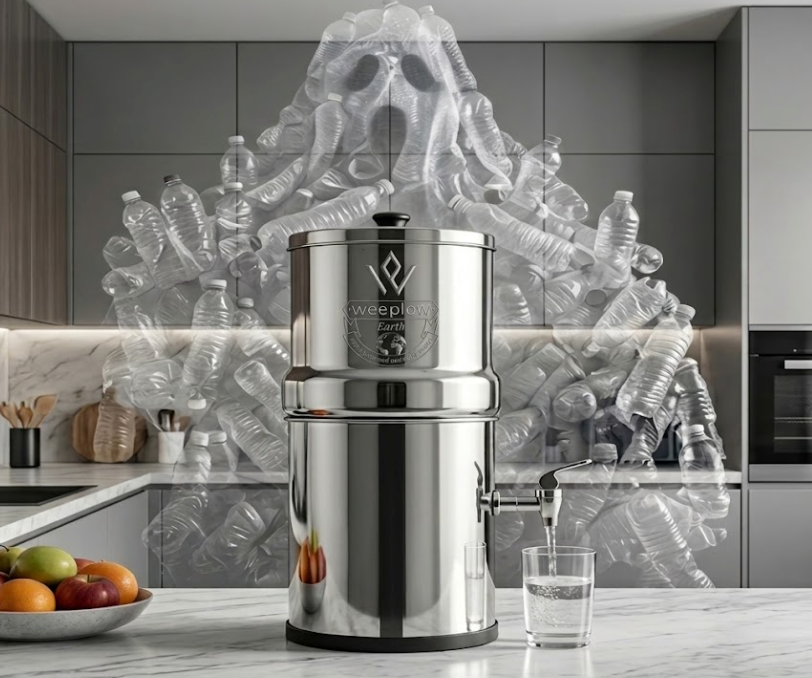
Introduction Each year, a French household spends hundreds of euros on bottled water. It is carried home from the supermarket, stored in the kitchen, reassured by the image of mountains on ...