


Nitrat kommt natürlich in Böden, Pflanzen und Wasser vor. Erhöhte Konzentrationen können jedoch insbesondere im Grundwasser auftreten. Erfahren Sie, wie der Nitratgrenzwert in Deutschland geregelt ...
Your Cart
(0 products)
Your cart is empty
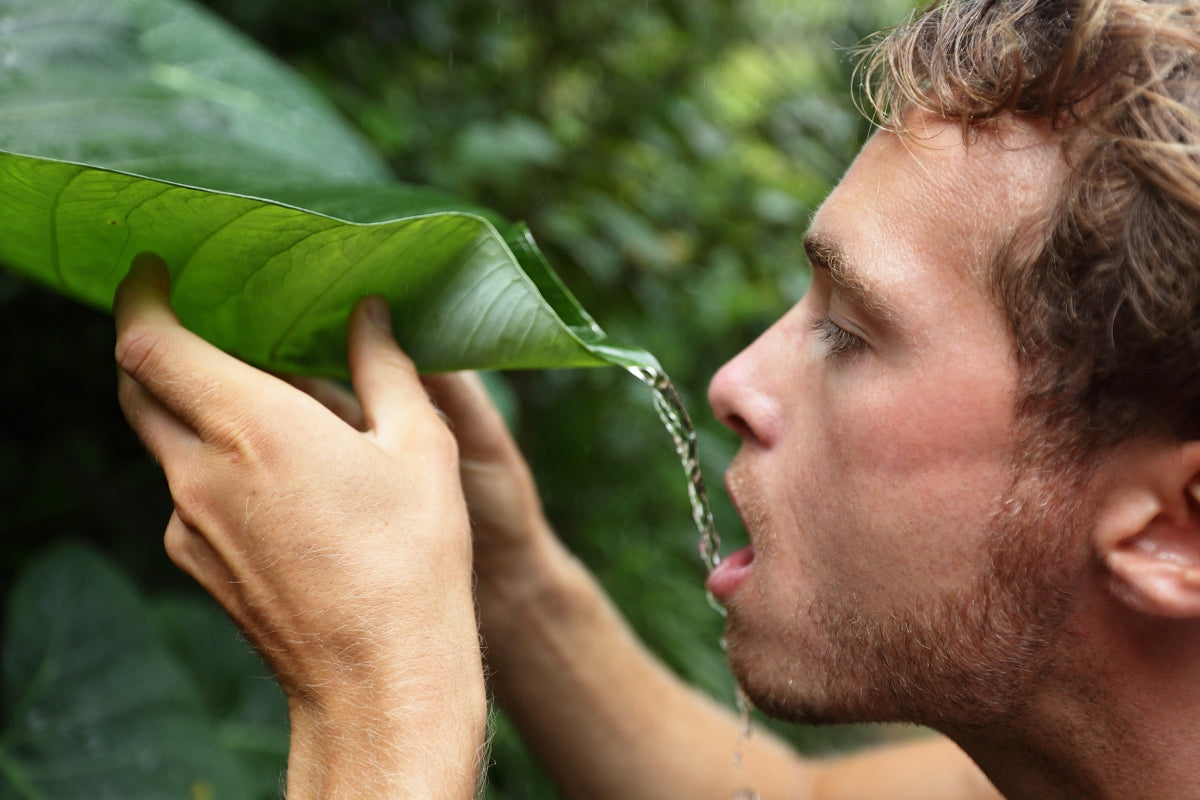
During a crisis or conflict, some resources become much harder to find. Water can quickly become scarce. If you do not have secure access, your survival may be threatened within the first hours. Yet there are ways to guarantee a reliable supply of drinking water, even in extreme situations. We have gathered 10 solutions to help you build your survival kit.
This is an effective solution for immediate access to drinking water. These ultra-light devices remove up to 99.99% of bacteria and parasites found in stagnant or contaminated water.
According to a study published by the Center for Disease Control, these filters reduce the risk of serious infections during natural disasters or war. Easy to carry, filters fitted with activated carbon can be used directly in water sources such as rivers or puddles.
When hiking or facing extreme conditions, their effectiveness has been clearly recognised for several years.
In an emergency, water purification tablets are a particularly reliable solution. Made with chlorine or iodine, they neutralise viruses, bacteria and protozoa found in contaminated water.
The Red Cross recommends keeping at least thirty tablets in an individual emergency bag to cover needs for several weeks. The chlorine released by the tablets effectively destroys pathogens after 30 minutes.

Install a rainwater collector to increase your independence during a prolonged crisis.
Several humanitarian organisations such as Action Against Hunger recommend this method to ensure access to water in conflict zones. This solution is also effective after a natural disaster: flooding, storms and more. It is also easy to install at home all year round.
If you do not have access to an energy source, you can produce drinking water without electricity.
The French army has tested this solution during humanitarian operations. The equipment needed is basic: a transparent plastic sheet and a few stones to create an emergency system.
The most obvious solution is to store large quantities of drinking water. This is possible if you can anticipate a crisis or war. The United Nations High Commissioner for Refugees (UNHCR) recommends allowing at least 20 litres of drinking water per person to cover one full week.
To ensure long-term storage, choose sealed, opaque containers protected from light. Add a colloidal silver treatment to help prevent bacterial growth.

Depending on the resources available, this technique can be useful. Boil water for at least one minute to remove bacteria, viruses or potentially deadly parasites.
This process requires significant energy, which naturally limits its use during a prolonged crisis or war. If you cannot access fuel, this is not the best method. However, boiling is useful as a short-term solution whenever access to a wood fire or energy source is possible.
For example, include a stove in your survival kit, which can also be used for cooking.

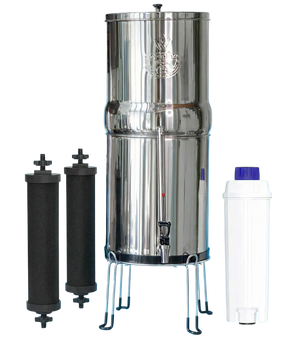
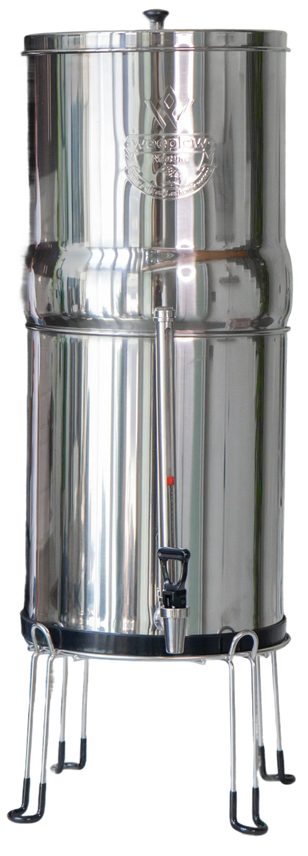
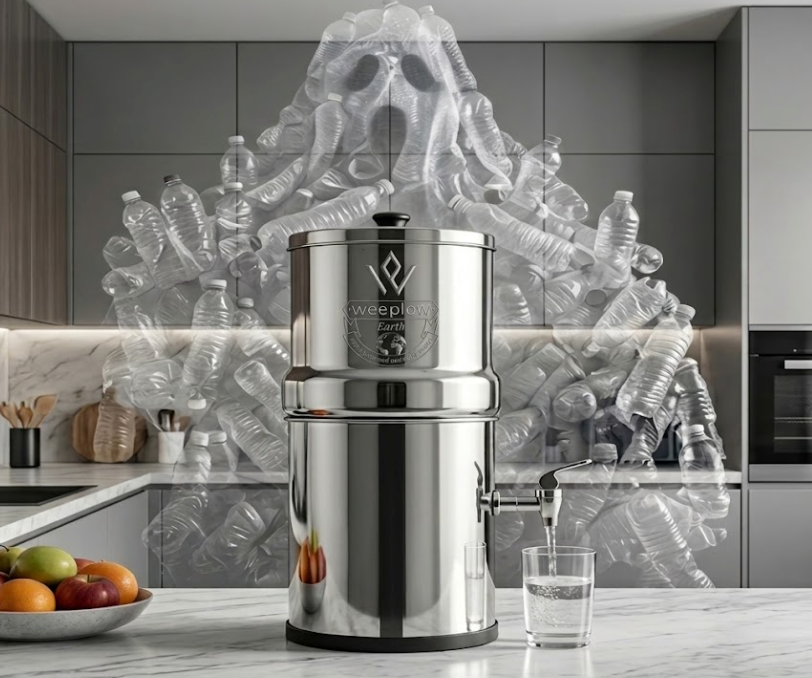
Activated carbon filters are particularly effective. We offer this solution at Weeplow. You remove chemicals, toxins, viruses and PFAS. You get cleaner, safer drinking water.
Activated carbon has been used by military forces for decades because it removes visible impurities as well as heavy metals and toxic solvents. In the event of war or a chemical attack, water treated this way helps protect your health. The filter has a lifespan of two years, which is sufficient during a crisis.
In addition, our filter works without electricity, making it ideal for your survival kit and easy to transport.
Expose clear water in transparent plastic bottles for six hours. If sunlight is strong enough, many pathogens are destroyed. The SODIS (Solar Water Disinfection) method has been recommended by the WHO since the 1990s, especially for vulnerable populations.
This method is natural, but slow. However, it has the advantage of being accessible to everyone and inexpensive. During prolonged instability or wartime, this solar method can clearly save lives.
Some homes in France already have a well, while others do not use this potential despite having underground reserves. These are often less contaminated by pathogens than surface water.
According to UNICEF, a 10-metre well can provide nearly 1,500 litres of drinking water daily. This independent resource secures your long-term water needs. For extra safety, you can combine this with another method such as an activated carbon filter.

In cases of extreme necessity, collecting condensation from plants is another option for your survival kit.
Cover leaves or green branches with a sealed plastic bag. Natural transpiration creates condensed water.
This technique produces only limited quantities (less than 0.5 litre per day), but it can help in critical conditions. Military personnel often use it during survival operations.
Ensuring reliable access to drinking water in times of crisis or war should never be overlooked. Prepare as many solutions as possible when building your survival kit, so it is ready to use if circumstances worsen. You will also have time to train and choose the most suitable method to guarantee a water supply if the world were to change dramatically.
Nitrat kommt natürlich in Böden, Pflanzen und Wasser vor. Erhöhte Konzentrationen können jedoch insbesondere im Grundwasser auftreten. Erfahren Sie, wie der Nitratgrenzwert in Deutschland geregelt ...
Nitrate can occur naturally in water, but higher concentrations can come from sources such as agriculture and wastewater. Learn how drinking-water limits work, where nitrate comes from, how to test...
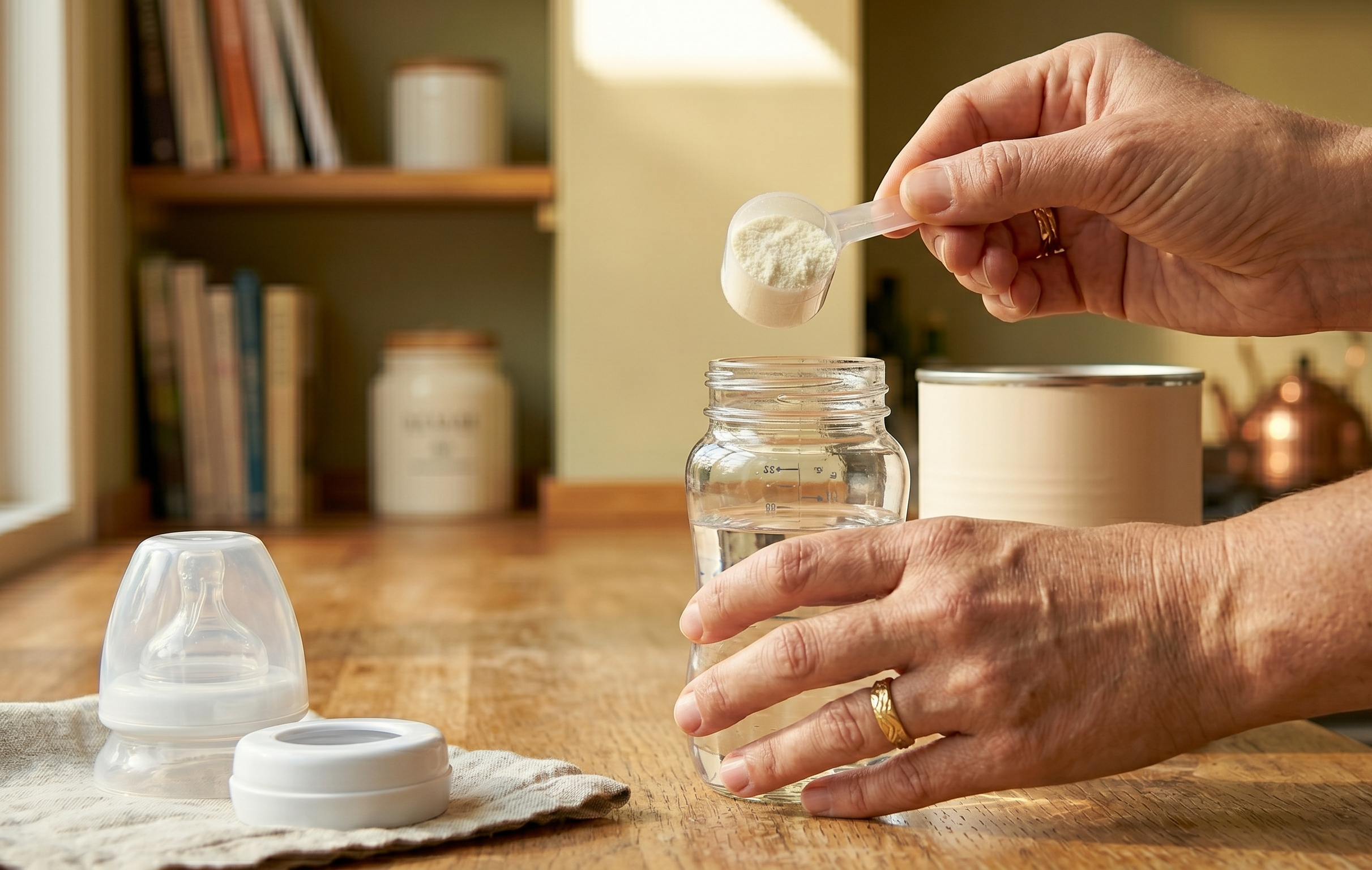
Nitrates et méthémoglobinémie : quels risques pour l’eau du robinet ? Comprenez le lien entre ces deux éléments et ce que cela signifie pour votre eau au quotidien.
Researchers are increasingly studying the possible effects of chronic exposure to nitrates in drinking water. Here is what current research actually says about the potential risks associated with l...
Introduction Each year, a French household spends hundreds of euros on bottled water. It is carried home from the supermarket, stored in the kitchen, reassured by the image of mountains on ...