


“Blue baby syndrome” is one of the key reasons nitrate levels in drinking water are regulated. Here’s how it works—and why it still matters today.
Your Cart
(0 products)
Your cart is empty
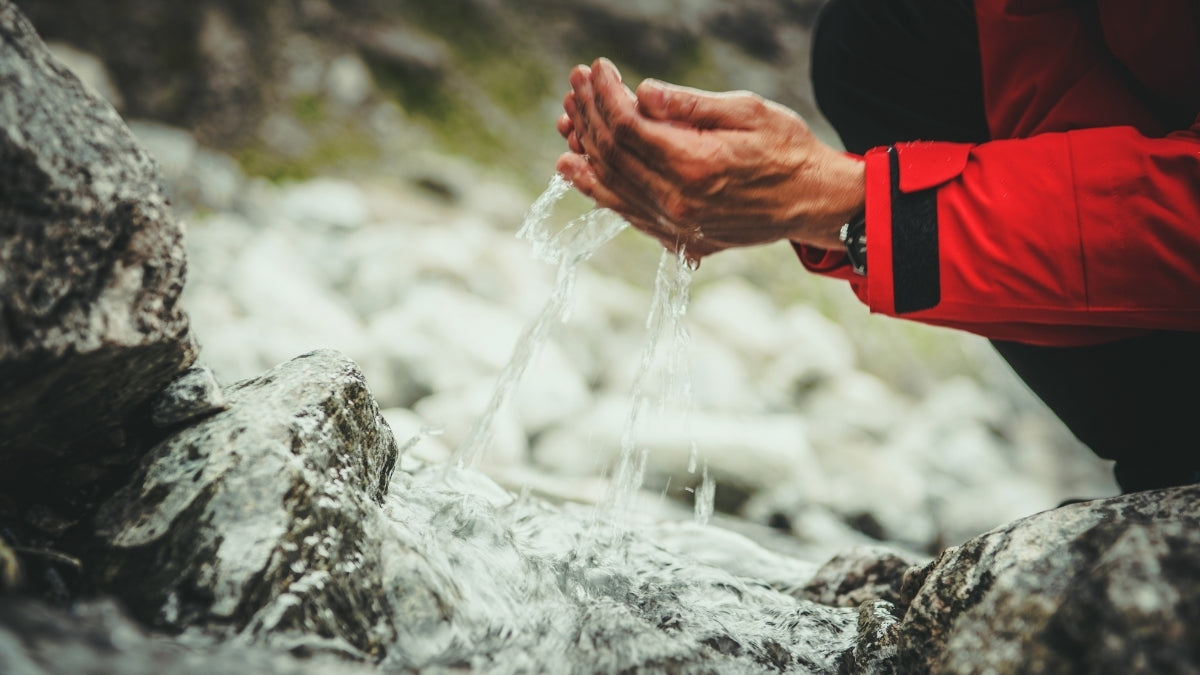
Safe drinking water is an essential resource, but access to it can be disrupted during emergencies or periods of infrastructure failure. When spending time outdoors or facing unexpected supply issues, finding, purifying and storing water becomes especially important. Being familiar with these techniques helps you stay prepared and resilient if access to potable water is compromised.
Rainwater is an abundant resource, yet it is often overlooked. In emergency situations, collecting rainwater can make a real difference. To store it effectively, it is best to use a clean tarpaulin or open containers. However, rainwater should not be consumed without treatment, as it can contain atmospheric particles and other contaminants.
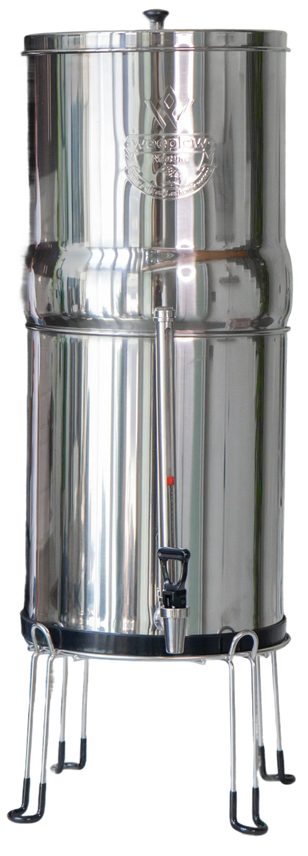
Before use, rainwater should be filtered through a clean cloth and then brought to the boil for at least one minute to eliminate bacteria and viruses. For additional reassurance, using a gravity-fed water filter such as the Weeplow system can help reduce a wide range of contaminants. Its portable design, lack of electricity requirements and high filtration performance make it well suited to emergency use.
In heavily industrialised areas, extra caution is required, as rainwater may contain higher levels of pollutants. In these conditions, boiling alone may not always be sufficient.
When looking for water in natural environments, it is important to observe your surroundings closely. Flowing water sources such as streams, waterfalls or fast-moving rivers are generally preferable. Stagnant water found in ponds or puddles should be avoided wherever possible, as it is more likely to harbour bacteria and parasites that can be harmful to health.
If you do not have a map or specialist equipment, dense vegetation can offer useful clues, as areas with abundant plant life often indicate nearby water. Animal tracks may also lead to water sources, although interpreting them reliably requires experience. Regardless of where water is collected, it should always be purified before consumption, ideally using a gravity-fed water filter.
Solar distillation is a simple and resourceful way to obtain drinking water without complex equipment.
Under the heat of the sun, moisture evaporates and then condenses on the underside of the sheet, gradually dripping into the container. While this method is slow, it is reliable and particularly suited to hot, arid regions. It can be carried out without specialist knowledge or tools.
When filtration or boiling is not possible, chemical treatment can be used as an alternative. A small amount of unscented household bleach (containing around 5–6% active chlorine) can be used to disinfect clear water after a waiting period of around 30 minutes. Careful dosing is essential: approximately eight drops for four litres of water is generally sufficient.
Other options include chlorine dioxide tablets, which are effective against many micro-organisms. However, no chemical treatment can remove chemical pollutants or suspended particles. For this reason, filtration using a Weeplow gravity-fed system remains an important step in producing water that is safe to drink.

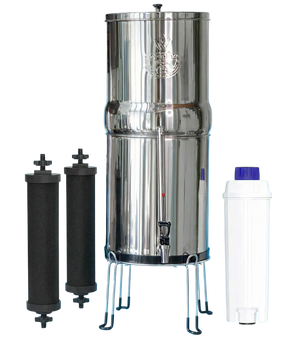
During major disruptions such as natural disasters, prolonged water shortages or supply interruptions, activated carbon filters can offer a dependable solution. They help improve taste, reduce organic residues and can remove up to 99.99% of certain contaminants, depending on water quality and conditions of use.
This activated carbon filter from Weeplow offers a more reliable alternative to chemical treatment or improvised methods using sand or fabric, thanks to its cartridge-based design and controlled filtration process.
Keeping an emergency water supply at home is an important part of household preparedness. As a general guide, each adult should allow for at least two litres of drinking water per day, or around 60 litres per month for hydration alone. To cover drinking, cooking and basic hygiene over a 30-day period, this can rise to approximately 120 litres per person.
Proper storage is essential. Globally, a significant proportion of diarrhoeal illness is linked to unsafe or poorly stored water. In everyday life, water storage is often associated with gardening or outdoor use, but it can also play a vital role in emergency planning.

Even a temporary supply interruption or natural disaster can quickly challenge assumptions about access to water. Building an appropriate reserve, combined with an effective purification solution, helps reduce this risk.
For a household of four people, storing around 480 litres provides a reasonable level of security during a prolonged disruption.
It is also worth remembering that mains water is not immune to disruption. Preparing reserves in advance, particularly in less well-served areas, supports greater independence. By understanding these techniques, you can improve your level of autonomy while reducing health risks linked to contaminated water.
“Blue baby syndrome” is one of the key reasons nitrate levels in drinking water are regulated. Here’s how it works—and why it still matters today.
Research into nitrates and cancer is still evolving, but scientists are paying closer attention to what long-term exposure in drinking water could mean for health over time. Here’s what current res...
Boil water notices can feel unexpected, but they’re a normal part of how water quality is managed. This guide explains what they mean, why they happen, and exactly what to do at home—so you can han...
A viral video shared on X (formerly Twitter) has attracted millions of views. In the clip, a man attempts to prove that bottled mineral water is heavily contaminated by using an electrolysis device...
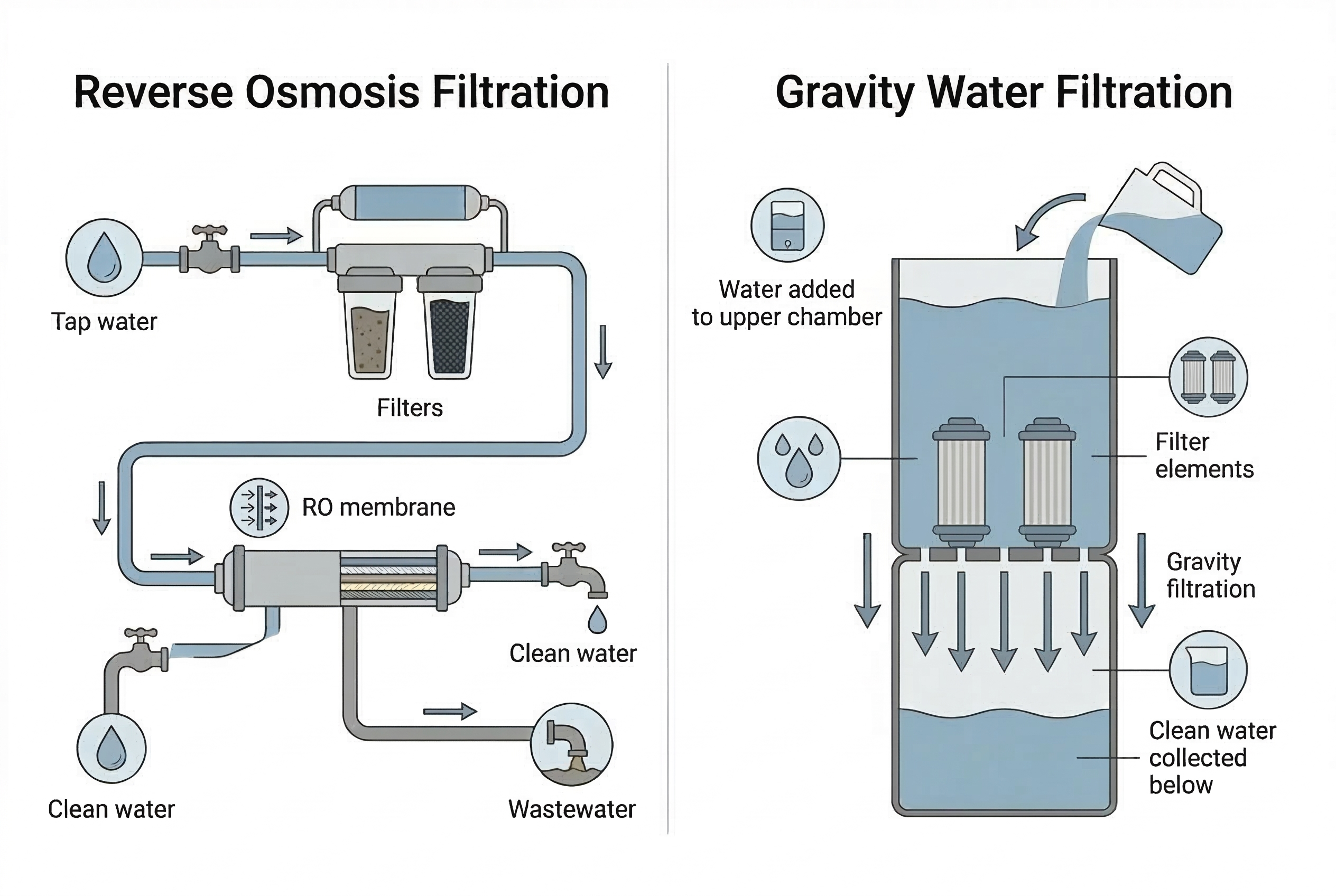
Reverse osmosis and gravity water filters both improve drinking water quality, but they work in very different ways. Learn how each system works, what contaminants they remove, and which option may...